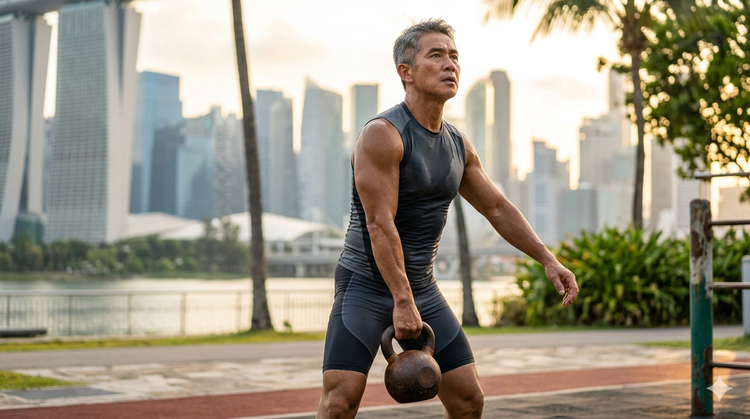
Asset or Liability: In an Emergency,Which are you?
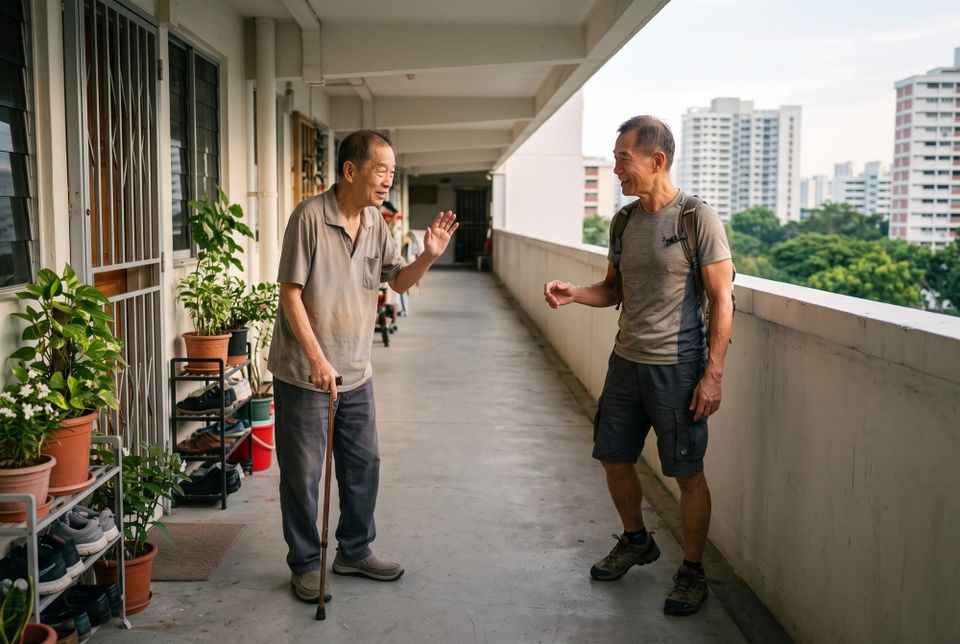
The air on the tenth-floor lobby of an old HDB block in Toa Payoh usually smells like whatever someone is frying for dinner, mingled with incense and the faint, humid breeze blowing in from the expressway. It is a quiet place where people grow old quietly.
On this floor, behind heavy wrought-iron gates, lived James and Peter. Both sixty-five. Both retired. Both with children who had long grown up, bought their own BTOs, and moved on to build lives of their own. From across the common corridor, their lives looked almost identical.
James was what modern society politely labels “well-managed.” Every fortnight, you would see him at the polyclinic, patiently waiting for his queue number to flash on the red LED board. His blood work was monitored, his blood pressure logged, and his plastic pharmacy bag methodically restocked with statins and metformin. He didn’t consider himself sick—just an ordinary man enduring the standard tax of aging. He wasn’t obese. He had simply let his muscle wither away in the quiet complacency of sedentary decades, accepting sarcopenia as an unavoidable decree of time. At sixty-five, walking without a cane made his knees wobble. Going down a single flight of stairs was an operation that required both hands clutching the handrail.

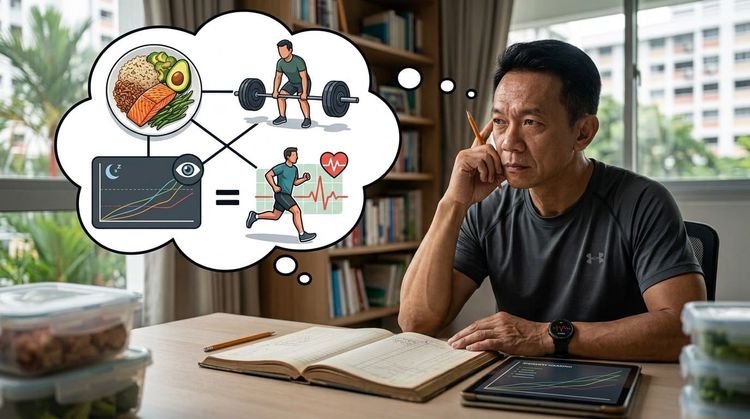
Across the landing lived Peter. A decade and a half earlier, around the time he turned fifty, Peter had an epiphany that chilled him: the biological descent isn’t a gentle slope; it’s a cliff. He realized that modern medicine doesn’t save you from frailty—it merely prolongs a state of decay. So, while his peers were migrating from office chairs to sofa cushions, Peter went to war against atrophy.
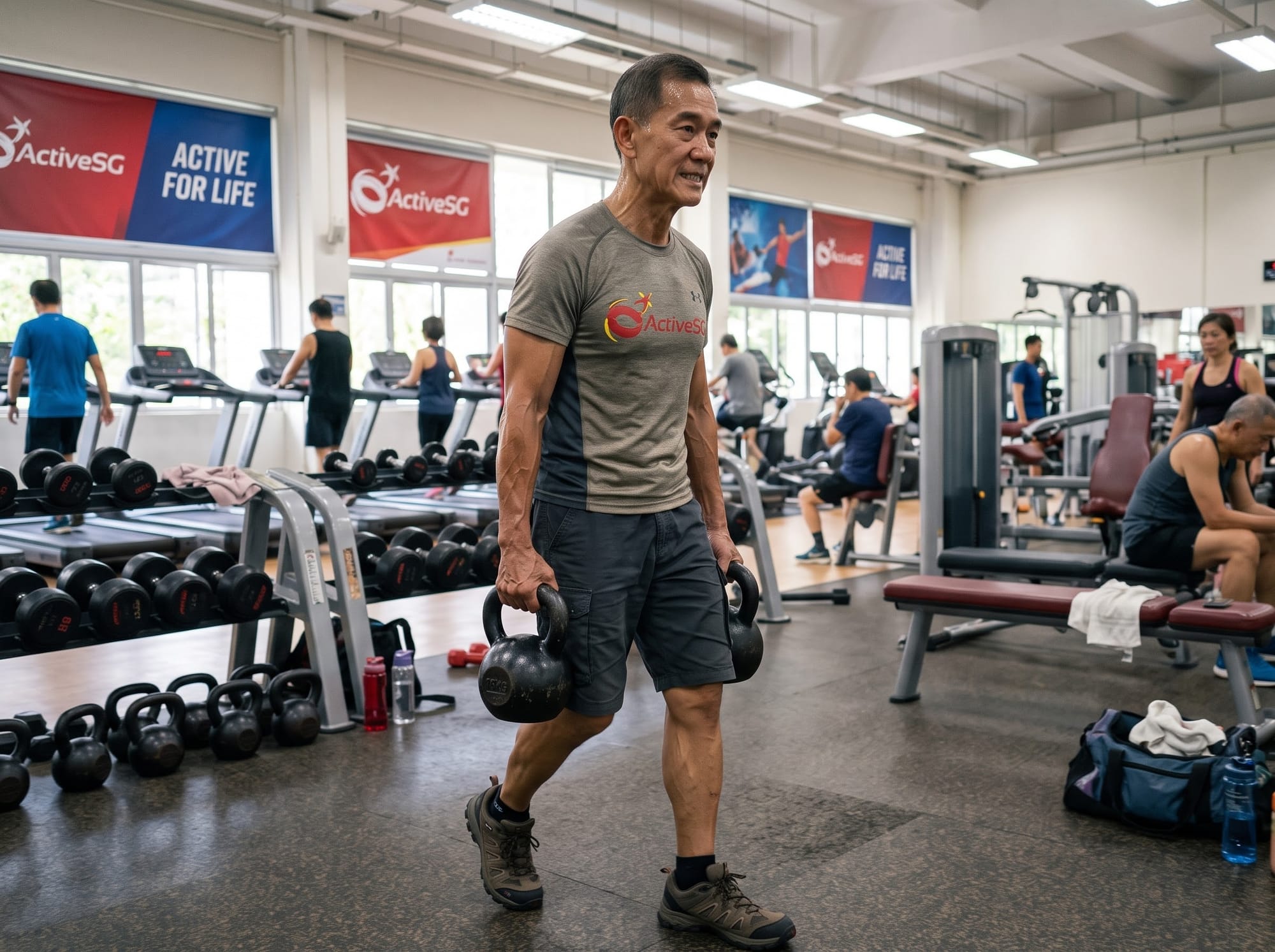
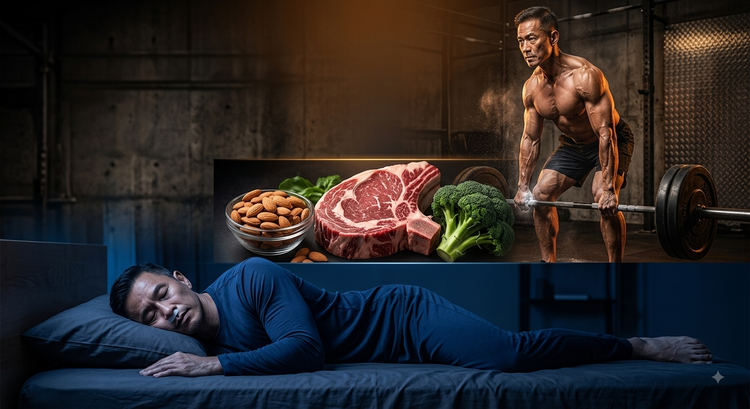
He didn't train for vanity. He trained for utility. He hiked MacRitchie with weight on his back, tackled Mount Kinabalu, and made heavy resistance training a non-negotiable discipline. In his living room and gym, he deadlifted, squatted, and walked under load. His benchmark wasn't how much weight he could display on a machine; it was whether he could pick up two 24-kilogram kettlebells and walk fifty meters without his spine buckling or his lungs burning out. His friends called it excessive for a man in his sixties. Peter called it insurance.
He made a claim against that policy at two in the morning on a Tuesday.
The smoke alarm didn’t whisper; it screamed. Thick, acrid black smoke was already billowing up through the central chute from a seventh-floor unit where an overloaded e-bike battery had detonated into an uncontrollable chemical inferno. Within minutes, the tenth-floor corridor became an opaque tunnel of heat, burnt plastic, and suffocating carbon monoxide.
The lifts, automatically grounded by the fire suppression system, were dead metal shafts. The only escape was the stairwell at the far end of the corridor. Ten floors. Twenty flights of concrete steps separating life from catastrophic asphyxiation.
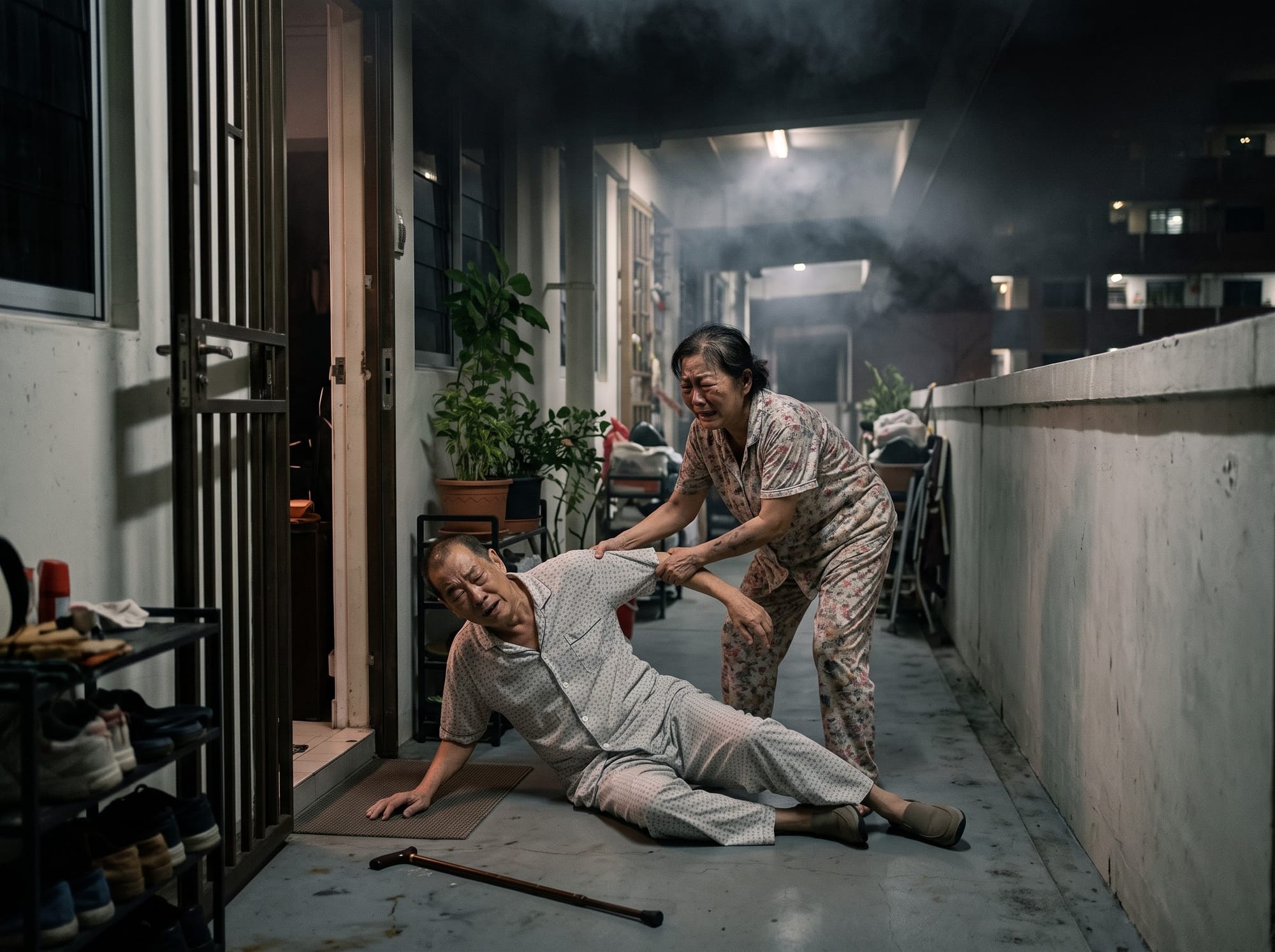
James opened his metal gate, panicked, coughing violently. His wife, frantic and frail herself, tried desperately to support his arm, but James’s legs simply refused the command. In the panic, his cane clattered against the tiles and vanished into the darkness. His knees gave way. He was paralyzed not just by fear, but by total physical incapacity. His wife pulled at his shirt, weeping, unable to lift his sixty-kilogram frame off the floor. The smoke was dropping lower, stinging their eyes, searing their throats.
Then Peter appeared.
He had his own wife moving steadily toward the stairwell, but turning back, he saw the nightmare unfolding by the lift lobby. There was no time for deliberation. No time to wait for the civil defense sirens echoing faintly in the distant streets below.
Peter dropped low, hooked his arms under James’s thighs, and hoisted the man onto his back in a firm fireman’s carry.
Sixty kilograms. Not an abstract barbell on a knurled steel sleeve, but sixty kilograms of shifting, coughing, terrified human being draped over his spine.
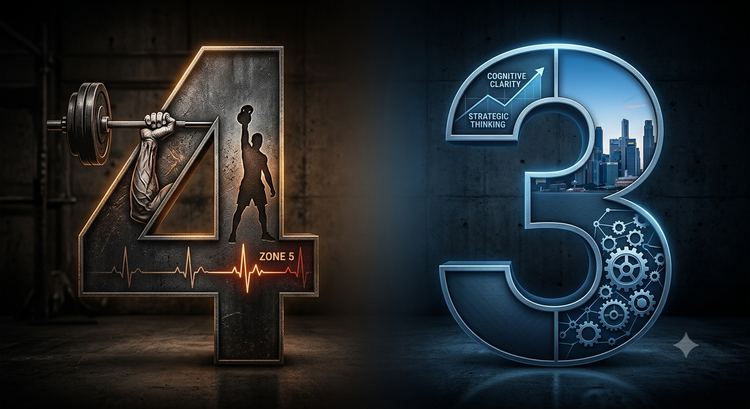
As the heavy fire door slammed shut behind them, the stairwell was filled with blinding smoke and the echoing thud of descending footsteps. Peter’s legs took the brunt. Every single step down was an eccentric load of over a hundred and thirty kilograms pressing through his quadriceps, knees, and ankles. His heart rate spiked toward zone five. His lungs fought for air through his nose, filtering the heat.
Step. Step. Land. Turn at the landing. Step. Step.
Floor nine. Floor eight—the heat through the concrete wall radiating like an oven. Floor seven. His legs were screaming, lactic acid flooding his calves, the dead weight on his shoulders threatening to tilt him forward into a disastrous tumble.
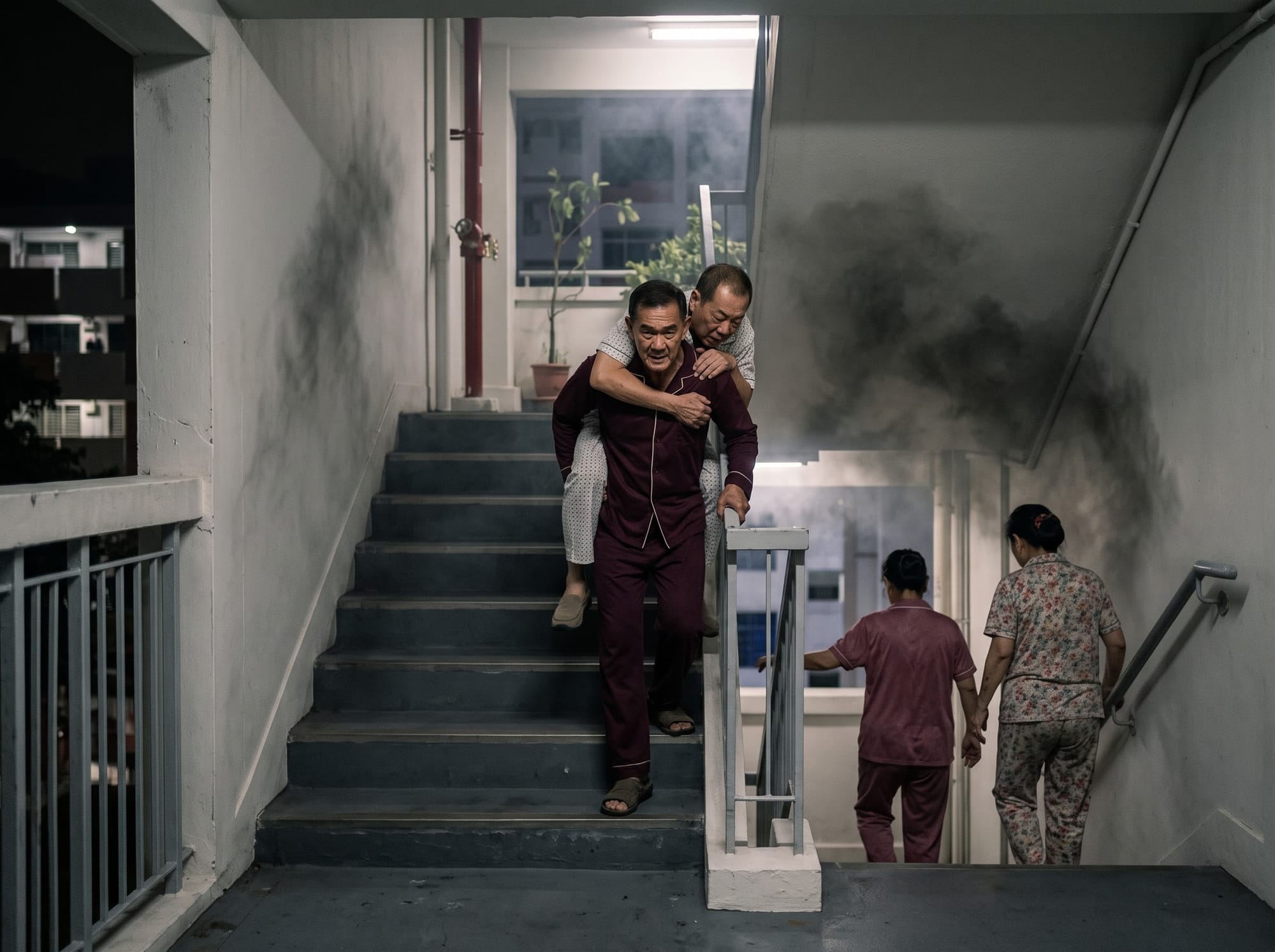
In that stairwell, the modern delusions of comfort evaporated. Nature does not care about your bank account, your polite justifications for skipping workouts, or the neat little pill organizer on your kitchen counter. In an emergency, nature only asks one brutal question: Can your body move the required load through space, right now?
Because Peter had spent fifteen years grinding under heavy kettlebells, his core didn’t collapse. His lower back didn't give out. His grip held fast to James’s wrists. By floor three, his breath was ragged, his vision tunneling from exertion, but the engine held.
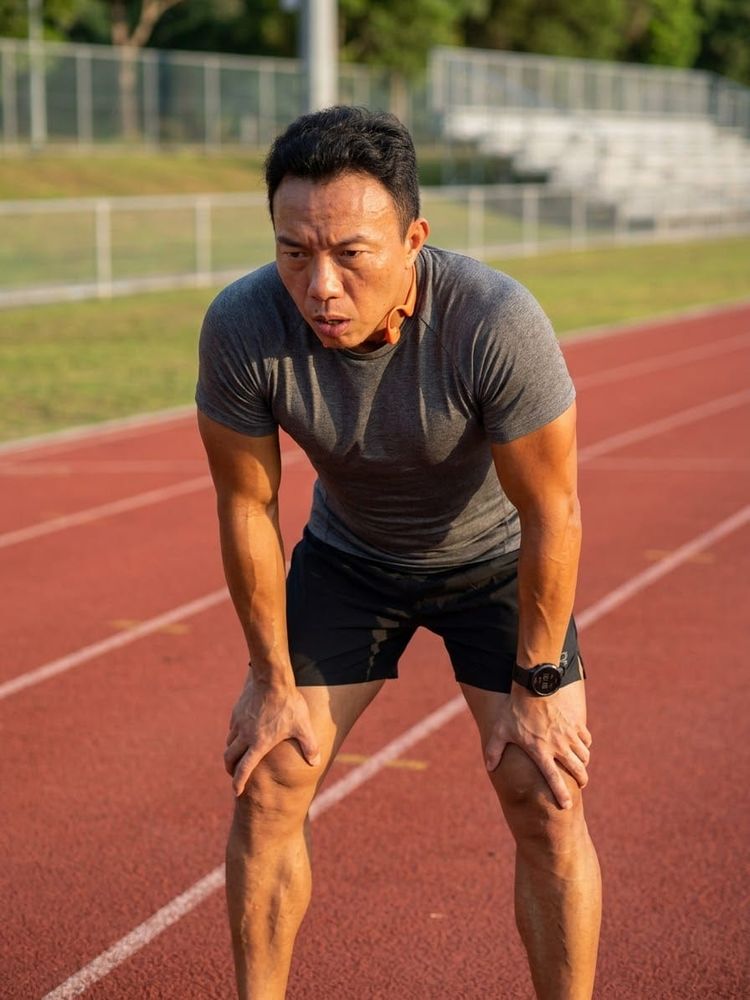
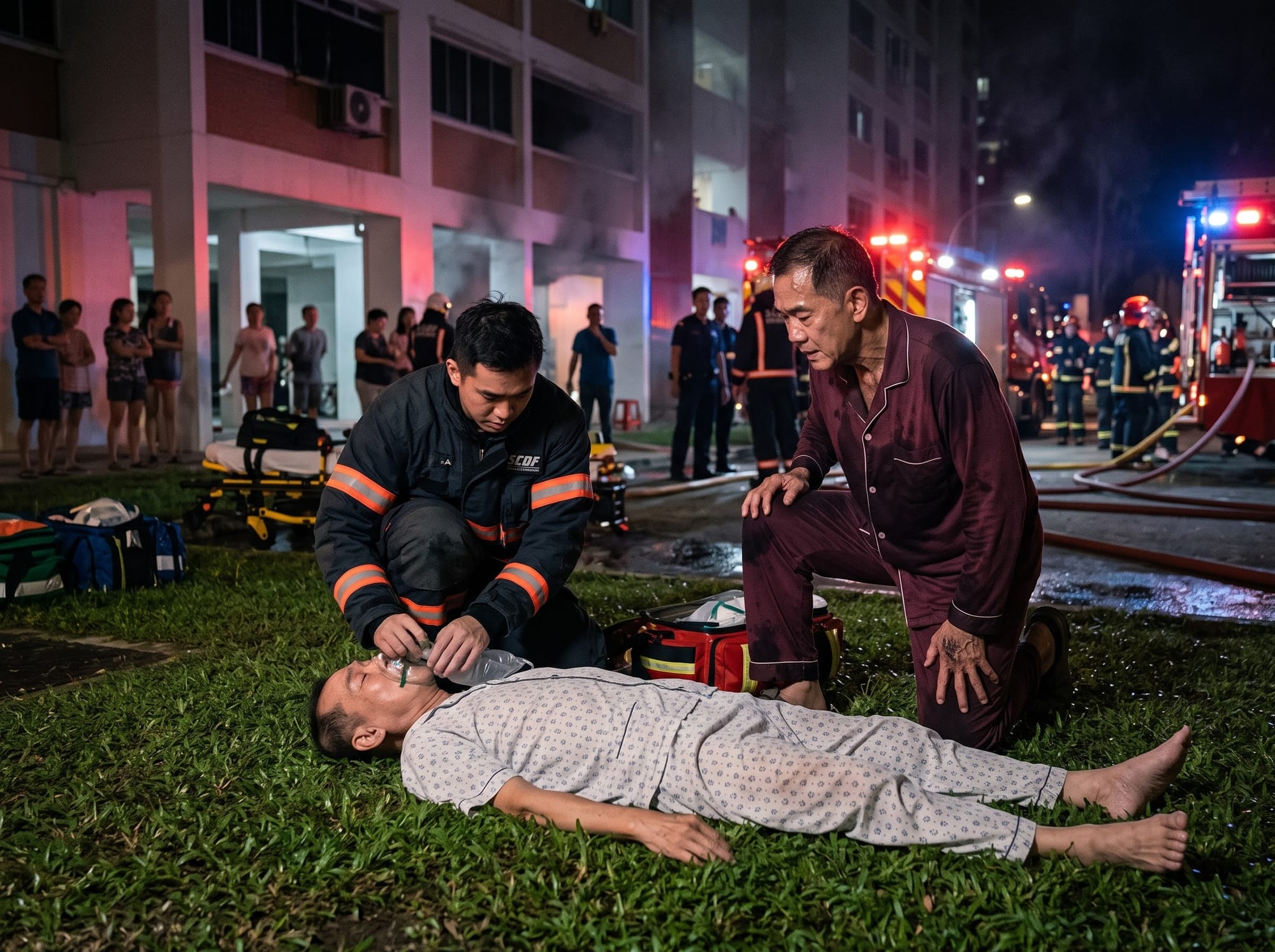
When they burst through the ground-floor exit door into the cool, wet night air of the void deck, Peter laid James gently onto the grass. Paramedics rushed forward with oxygen masks. Peter fell to one knee, hands on his thighs, his chest heaving, his legs trembling from the sheer metabolic strain—alive, and having kept another man alive.
We have been sold a dangerous lie.
We are told that letting yourself go is a harmless personal choice. We call it "aging gracefully." We reframe physical neglect as contentment, and we treat weakness as a harmless, inevitable side effect of living past fifty.
It is not harmless. It is fundamentally selfish.
When you abandon your strength, you aren't just choosing a leisurely lifestyle; you are actively deciding to become cargo. You are making a silent bet that when the crisis hits—when the car stalls, when the fall occurs, when the fire alarm rings at 2 AM—someone else will have the muscle, the lungs, and the grit to carry your dead weight out of the flames.
Look at the two men on that tenth floor.
James didn't choose to be a burden that night. His weakness chose for him. In the defining crisis of his life, his wife could not rely on him, and he could not even rely on himself.
Peter didn't just survive; he was an asset to everyone around him. His physical sovereignty became someone else's salvation.
You will grow older. The biological clock will tick whether you are sitting on the couch or holding heavy iron. But you have a direct, non-negotiable choice in how that decline happens.
When the emergency comes—and life guarantees that in one form or another, it will—who do you intend to be?
Will you be the man on the floor, waiting to be saved? Or will you be the man with the spine, the legs, and the savage resolve to carry someone out?